The Rise of Conversational AI
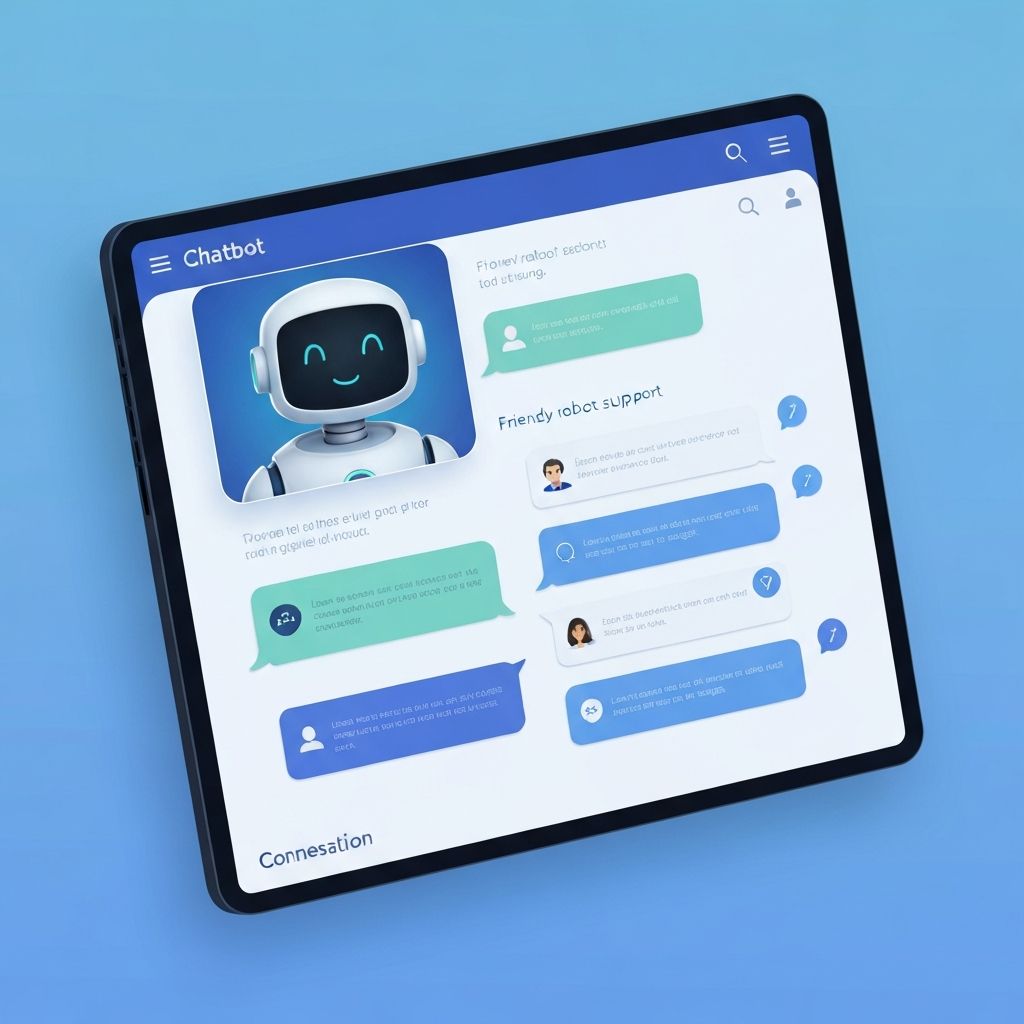
Customers expect instant responses at any hour. AI chatbots make this possible, handling routine inquiries while freeing human agents for complex issues. When implemented well, chatbots improve customer satisfaction, reduce costs, and scale effortlessly with demand.
Understanding Chatbot Capabilities
Modern AI chatbots have evolved far beyond simple FAQ bots. Powered by natural language processing, they can understand context, handle follow-up questions, and even detect customer sentiment. They can integrate with your systems to check order status, update account information, and complete transactions.
Defining Your Chatbot Strategy
Before building a chatbot, define your goals and scope:
- What customer inquiries will it handle?
- What systems does it need to integrate with?
- When should it escalate to human agents?
- What languages and channels will it support?
Building vs. Buying
You can build a custom chatbot, use a chatbot platform, or implement a pre-built solution. Custom builds offer maximum flexibility but require significant development resources. Platforms like Dialogflow, IBM Watson, or Azure Bot Service provide a middle ground. Pre-built solutions get you started quickly but may lack customization options.
Training Your Chatbot
AI chatbots learn from data. Start by analyzing your existing customer interactions—support tickets, chat logs, FAQs—to identify common questions and appropriate responses. Plan for ongoing training as new issues emerge and customer needs evolve.
The Human-AI Partnership
The best chatbot implementations don't replace human agents—they complement them. Design clear escalation paths for complex issues, ensure agents can see chatbot conversation history, and use chatbot insights to improve human support as well.
Measuring Success
Track metrics that matter: resolution rate, customer satisfaction, average handling time, and escalation rate. A successful chatbot should handle 60-80% of routine inquiries while maintaining or improving customer satisfaction scores.